


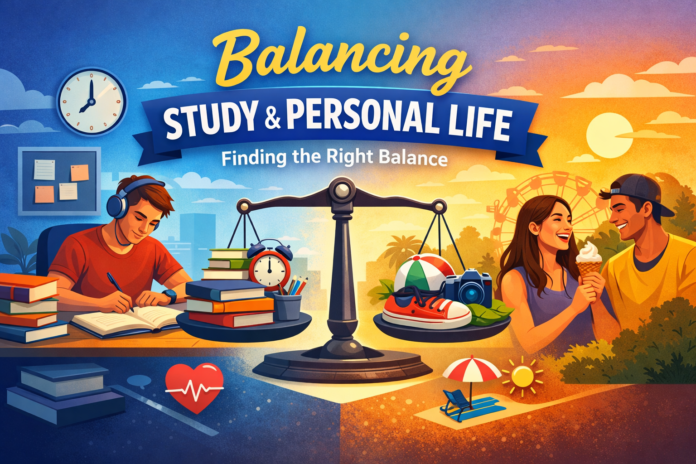
Introduction to Balancing Study and Personal Life
Balancing study and personal life is one of the biggest challenges faced by students in today’s fast-paced academic environment. With increasing academic pressure, deadlines, part-time jobs, and social responsibilities, students often struggle to maintain harmony between their educational goals and personal well-being. The concept of balancing study and personal life is not just about dividing time equally; it is about managing priorities, maintaining mental health, and ensuring sustainable productivity. Without proper balance, students may experience burnout, stress, and a decline in academic performance.
In this guide on balancing study and personal life, we will explore practical strategies, effective time management techniques, and mindset shifts that can help students achieve success without compromising their personal happiness. Whether you are a university student, a postgraduate researcher, or working on your dissertation, mastering this balance is essential for long-term success and well-being.
Why Balancing Study and Personal Life is Important
Impact on Academic Performance
Balancing study and personal life plays a crucial role in academic success. When students dedicate all their time solely to studies without breaks, their productivity tends to decrease over time. Overworking can lead to fatigue, reduced concentration, and poor retention of information. On the other hand, maintaining a balanced routine helps improve focus, enhances creativity, and boosts overall learning efficiency.
Mental and Emotional Well-being
Students who fail to achieve balance often experience stress, anxiety, and even depression. Personal life activities such as spending time with family, exercising, and pursuing hobbies contribute significantly to emotional stability. Balancing study and personal life ensures that students remain mentally healthy, motivated, and capable of handling academic challenges effectively.
Development of Life Skills
Learning how to balance study and personal life helps students develop essential life skills such as time management, self-discipline, and decision-making. These skills are not only valuable during academic life but also play a vital role in professional success and personal growth.
Common Challenges in Balancing Study and Personal Life
Academic Pressure and Deadlines
One of the biggest obstacles in balancing study and personal life is the constant pressure of assignments, exams, and deadlines. Students often prioritize academic tasks at the expense of personal time, leading to an unhealthy routine.
Poor Time Management
Ineffective time management is a major reason why students struggle to maintain balance. Without a proper schedule, students may waste time on unproductive activities or fail to allocate sufficient time for both study and personal commitments.
Digital Distractions
Social media, streaming platforms, and mobile devices can significantly disrupt a student’s ability to focus. These distractions make it difficult to maintain a structured routine, affecting both study and personal life balance.
Lack of Clear Priorities
Many students do not clearly define their priorities, which leads to confusion and inefficiency. Without understanding what is most important, it becomes challenging to balance study and personal life effectively.
Effective Strategies for Balancing Study and Personal Life
Creating a Structured Schedule
Plan Your Day in Advance
A well-organized schedule is the foundation of balancing study and personal life. Planning your day in advance helps you allocate time for study sessions, personal activities, and relaxation. Use planners or digital tools to create a realistic timetable that suits your routine.
Set Realistic Goals
Avoid overloading yourself with unrealistic expectations. Break your academic tasks into manageable goals and set achievable targets. This approach prevents burnout and ensures consistent progress.
Prioritizing Tasks Effectively
Use the Priority Matrix
Divide your tasks into categories such as urgent, important, less important, and optional. This method helps you focus on high-priority tasks while still making time for personal activities.
Avoid Procrastination
Procrastination can disrupt the balance between study and personal life. Develop habits such as starting tasks early, setting deadlines, and eliminating distractions to stay on track.
Maintaining Healthy Study Habits
Adopt the Pomodoro Technique
The Pomodoro Technique involves studying for 25 minutes followed by a 5-minute break. This method enhances concentration and prevents mental fatigue, making it easier to balance study and personal life.
Create a Productive Study Environment
A quiet and organized study space improves focus and efficiency. Ensure that your study environment is free from distractions and conducive to learning.
Making Time for Personal Life
Engage in Physical Activities
Regular exercise is essential for maintaining both physical and mental health. Activities such as walking, jogging, or yoga can help reduce stress and improve overall well-being.
Pursue Hobbies and Interests
Hobbies provide a sense of relaxation and fulfillment. Whether it’s reading, painting, or playing a musical instrument, engaging in activities you enjoy helps maintain a healthy balance.
Spend Time with Family and Friends
Social interactions are vital for emotional support. Spending quality time with loved ones helps reduce stress and creates a positive mindset.
Time Management Techniques for Students
The 80/20 Rule (Pareto Principle)
The Pareto Principle suggests that 80% of results come from 20% of efforts. Focus on the most important tasks that yield the highest results to optimize your study time.
Time Blocking Method
Time blocking involves dividing your day into dedicated time slots for specific activities. This technique ensures that both study and personal life receive adequate attention.
Setting Deadlines
Even if tasks do not have strict deadlines, setting your own deadlines can help maintain discipline and prevent last-minute stress.
Managing Stress While Balancing Study and Personal Life
Recognizing Signs of Burnout
Burnout is a common issue among students who struggle with balancing study and personal life. Symptoms include exhaustion, lack of motivation, and decreased performance. Recognizing these signs early is essential for taking corrective action.
Practicing Mindfulness and Relaxation
Mindfulness techniques such as meditation and deep breathing can help reduce stress and improve focus. Taking short breaks to relax your mind is equally important.
Getting Enough Sleep
Sleep is often overlooked but plays a critical role in maintaining balance. Aim for 7–8 hours of quality sleep each night to ensure optimal performance and well-being.
Balancing Study and Personal Life During Exams
Creating an Exam Schedule
During exam periods, it is essential to create a structured study plan that includes breaks and relaxation time. Avoid studying continuously without rest, as it can lead to fatigue and reduced efficiency.
Staying Organized
Keep your study materials organized and prioritize topics based on importance. This approach helps you cover all subjects effectively without feeling overwhelmed.
Maintaining a Healthy Routine
Even during exams, do not neglect your personal life completely. Short breaks, proper meals, and light physical activity can significantly improve your performance.
Role of Technology in Balancing Study and Personal Life
Using Productivity Apps
There are numerous apps available that can help students manage their time effectively. Tools for scheduling, task management, and focus enhancement can support better balance.
Limiting Screen Time
While technology can be beneficial, excessive screen time can be harmful. Set limits on social media and entertainment to maintain productivity.
Tips for Long-Term Success
Develop Consistent Habits
Consistency is key to balancing study and personal life. Develop daily habits that support both academic and personal goals.
Learn to Say No
Avoid taking on too many responsibilities. Learning to say no to unnecessary commitments helps you focus on what truly matters.
Seek Support When Needed
Do not hesitate to seek help from teachers, friends, or family when you feel overwhelmed. Support systems play a crucial role in maintaining balance.
Conclusion
Balancing study and personal life is not a one-time task but a continuous process that requires effort, discipline, and self-awareness. By implementing effective time management strategies, setting clear priorities, and maintaining a healthy lifestyle, students can achieve academic success without compromising their personal well-being. Remember that success is not just measured by grades but also by your ability to lead a fulfilling and balanced life.
In today’s demanding academic environment, mastering the art of balancing study and personal life is essential for long-term growth and happiness. By following the strategies outlined in this guide, you can create a sustainable routine that supports both your educational goals and personal aspirations.

