

Introduction to Online Learning vs Traditional Learning
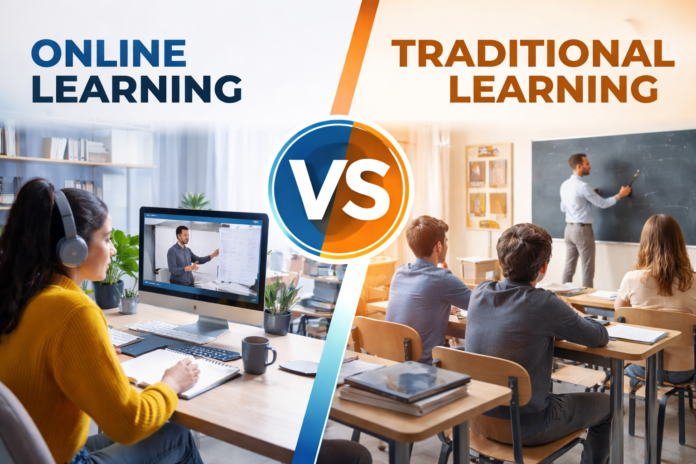
The debate around Online Learning vs Traditional Learning has become one of the most discussed topics in modern education. As technology continues to evolve, students and educators are increasingly faced with the decision of choosing between digital platforms and conventional classroom-based education. Online Learning vs Traditional Learning represents not just two methods of acquiring knowledge, but two entirely different experiences that shape how students engage with content, interact with peers, and develop essential skills. In today’s fast-paced world, where flexibility and accessibility are highly valued, online learning has gained significant popularity. At the same time, traditional learning continues to hold its ground as a proven and structured method of education. Understanding the strengths and limitations of both approaches is essential for students, educators, and institutions aiming to make informed decisions about the future of learning.Students also read about a complete guide to academic success.
What is Online Learning?
Definition and Key Features
Online Learning vs Traditional Learning begins with understanding what online learning actually is. Online learning refers to an educational approach that takes place over the internet, allowing students to access course materials, attend lectures, and complete assignments remotely. This method often involves the use of digital platforms, video lectures, discussion forums, and interactive tools that enhance the learning experience. One of the most significant advantages of online learning is flexibility, as students can learn at their own pace and from any location. This is particularly beneficial for working professionals, international students, and those with personal commitments. Online Learning vs Traditional Learning also highlights how online platforms provide access to a vast range of resources, including recorded lectures, e-books, and global expertise that may not be available in a traditional classroom setting.
You may also read about:Write your own essay online
Benefits of Online Learning
When discussing Online Learning vs Traditional Learning, the benefits of online education are hard to ignore. Online learning offers convenience, cost-effectiveness, and accessibility, making education more inclusive for a broader audience. Students can save time and money by eliminating the need for commuting and accommodation. Additionally, online courses often allow learners to revisit recorded lectures, which can improve understanding and retention. Another important advantage is the ability to personalize the learning experience, as students can choose courses that align with their interests and career goals. However, despite these benefits, online learning also requires a high level of self-discipline and motivation, as students must manage their own schedules and stay engaged without direct supervision.

What is Traditional Learning?
Structure and Classroom Experience
Online Learning vs Traditional Learning also requires a deep understanding of traditional education. Traditional learning refers to the conventional classroom-based approach where students attend physical classes, interact face-to-face with teachers, and follow a structured timetable. This method has been the foundation of education for centuries and is known for its organized environment and direct communication. In a traditional classroom, students benefit from immediate feedback, collaborative learning, and a sense of community that fosters social interaction and teamwork. Online Learning vs Traditional Learning shows that traditional education emphasizes discipline, routine, and active participation, which can be particularly beneficial for younger students or those who thrive in structured settings.
Advantages of Traditional Learning
In the comparison of Online Learning vs Traditional Learning, traditional education offers several unique advantages. One of the most important benefits is the opportunity for real-time interaction with instructors and peers, which enhances understanding and encourages discussion. Students can ask questions instantly and receive immediate clarification, which is often not possible in online settings. Additionally, traditional learning environments promote social development, helping students build communication skills, confidence, and relationships. The physical presence of a teacher also ensures better monitoring and guidance, reducing the chances of distractions. However, traditional learning may lack flexibility and can be time-consuming, especially for students who need to balance education with other responsibilities.
Key Differences Between Online Learning vs Traditional Learning
Flexibility and Accessibility
One of the most significant differences in Online Learning vs Traditional Learning is flexibility. Online learning allows students to access educational content anytime and anywhere, making it ideal for those with busy schedules. In contrast, traditional learning requires students to attend classes at fixed times and locations, which can be challenging for individuals with other commitments. Online Learning vs Traditional Learning highlights how digital education removes geographical barriers, enabling students to enroll in courses offered by institutions around the world. This level of accessibility is unmatched by traditional learning, which is often limited by location and infrastructure.
Interaction and Engagement
Another crucial aspect of Online Learning vs Traditional Learning is the level of interaction and engagement. Traditional classrooms provide face-to-face communication, which fosters stronger relationships and immediate feedback. Students can participate in group discussions, ask questions, and engage in collaborative activities that enhance their learning experience. On the other hand, online learning relies on virtual communication tools such as discussion boards, video calls, and emails. While these tools are effective, they may not fully replicate the personal connection found in traditional settings. Online Learning vs Traditional Learning demonstrates that engagement levels can vary depending on the student’s learning style and preferences.
Cost and Affordability
Cost is another important factor in the comparison of Online Learning vs Traditional Learning. Online education is generally more affordable, as it eliminates expenses related to transportation, accommodation, and physical materials. Many online courses also offer flexible payment options and free resources, making education more accessible to a wider audience. In contrast, traditional learning often involves higher costs, including tuition fees, campus facilities, and living expenses. Online Learning vs Traditional Learning clearly shows that online education can be a more economical choice, especially for students with limited financial resources.
Discipline and Time Management
Online Learning vs Traditional Learning also differs in terms of discipline and time management. Online learning requires students to be self-motivated and organized, as they must manage their own schedules and complete assignments independently. This can be challenging for individuals who struggle with procrastination or lack self-discipline. Traditional learning, on the other hand, provides a structured environment with fixed schedules and regular supervision, which helps students stay on track. Online Learning vs Traditional Learning emphasizes that success in either method depends on the student’s ability to adapt to the learning environment.

Challenges of Online Learning vs Traditional Learning
Limitations of Online Learning
Despite its advantages, Online Learning vs Traditional Learning reveals several challenges associated with online education. One of the main issues is the lack of face-to-face interaction, which can lead to feelings of isolation and reduced engagement. Technical problems, such as poor internet connectivity or lack of access to digital devices, can also hinder the learning experience. Additionally, online learning requires strong self-discipline, which may not be suitable for all students. Online Learning vs Traditional Learning shows that while online education offers flexibility, it may not provide the same level of support and accountability as traditional classrooms.
Limitations of Traditional Learning
Traditional learning also has its drawbacks when compared in the context of Online Learning vs Traditional Learning. The rigid structure of classroom-based education can limit flexibility, making it difficult for students to balance their studies with other commitments. Commuting to campus can be time-consuming and expensive, especially for students living far from educational institutions. Furthermore, traditional learning may not always accommodate different learning styles, as it often follows a standardized approach. Online Learning vs Traditional Learning highlights that while traditional education provides structure and interaction, it may lack the adaptability and convenience of online learning.
Which is Better: Online Learning vs Traditional Learning?
The question of which method is better in Online Learning vs Traditional Learning does not have a one-size-fits-all answer. The choice depends on individual preferences, learning styles, and personal circumstances. Students who value flexibility, independence, and access to global resources may prefer online learning. On the other hand, those who thrive in structured environments and benefit from face-to-face interaction may find traditional learning more effective. Online Learning vs Traditional Learning ultimately suggests that both methods have their strengths and limitations, and the best approach may be a combination of both.
The Rise of Hybrid Learning
Blending the Best of Both Worlds
In recent years, the concept of hybrid learning has emerged as a solution to the debate of Online Learning vs Traditional Learning. Hybrid learning combines elements of both approaches, allowing students to benefit from the flexibility of online education while maintaining the structure and interaction of traditional classrooms. This model provides a balanced learning experience, enabling students to access digital resources while participating in in-person activities. Online Learning vs Traditional Learning shows that hybrid learning is becoming increasingly popular as institutions seek to adapt to the changing needs of students.
Conclusion: The Future of Online Learning vs Traditional Learning
In conclusion, Online Learning vs Traditional Learning represents a significant shift in the way education is delivered and experienced. Both methods offer unique advantages and challenges, making them suitable for different types of learners. Online learning provides flexibility, accessibility, and cost-effectiveness, while traditional learning offers structure, interaction, and a sense of community. As technology continues to advance, the gap between these two approaches is likely to narrow, leading to more integrated and innovative learning models. Online Learning vs Traditional Learning will continue to evolve, shaping the future of education and providing students with diverse opportunities to achieve their academic and professional goals.

