


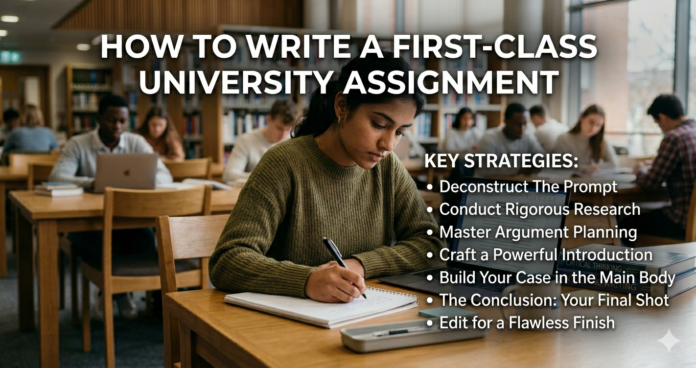
Complete Guide to Writing an Outstanding University Assignment First-Class University Writing a university assignment can feel overwhelming, especially when deadlines are approaching and expectations from professors are high. Many students struggle with planning, research, structure, referencing, and academic writing standards. However, producing a first-class university assignment is not about being naturally gifted at writing. It is about understanding the process, following a clear strategy, and presenting your ideas in a professional academic format.
Whether you are a first-year undergraduate student or completing postgraduate coursework, learning how to write high-quality assignments is one of the most valuable academic skills you can develop. Strong assignment writing improves grades, strengthens critical thinking, and prepares students for future academic and professional success.
This complete guide explains everything students need to know about writing a first-class university assignment, from understanding the question to proofreading the final draft.
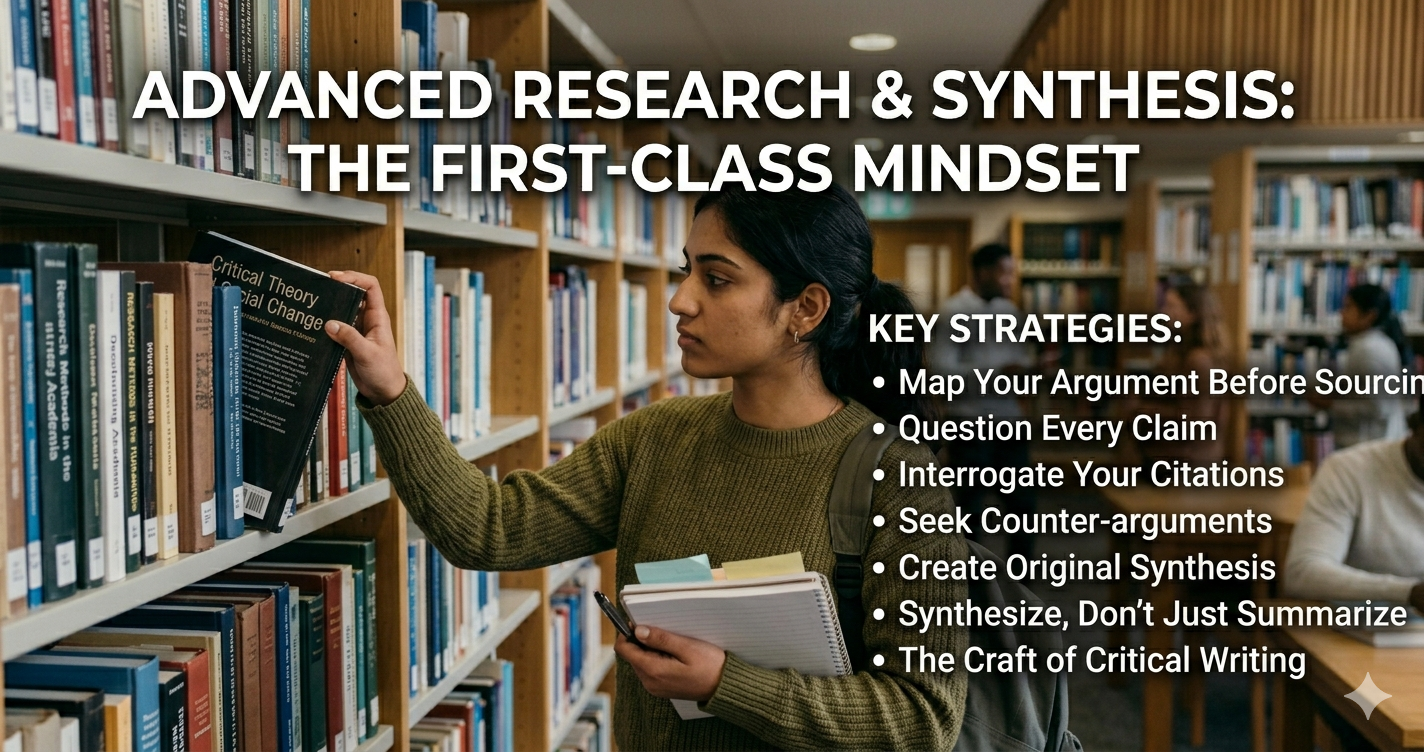
Understanding What a University Assignment Requires
Before starting any assignment, students must fully understand the task requirements. One of the biggest mistakes students make is beginning research or writing too quickly without carefully reading the assignment brief. Essay Writing Assignments
University assignments are designed to assess several academic abilities, including:
- Critical thinking
- Research skills
- Argument development
- Academic writing
- Referencing accuracy
- Subject knowledge
Every assignment has specific objectives, and understanding these objectives is essential for achieving high grades. First-Class University
Best Dissertation Topics for UK University Students in 2026: The Complete Guide
Analyze the Assignment Question Carefully
Read the assignment prompt multiple times. Identify the key instruction words such as:
- Analyze
- Evaluate
- Compare
- Discuss
- Critically examine
- Explain
First-Class University Each instruction requires a different writing approach. For example, “analyze” means breaking a topic into smaller parts, while “evaluate” requires judging strengths and weaknesses. Online Essay Writing
Students should also identify:
- Word count
- Deadline
- Referencing style
- Required sources
- Formatting guidelines
Taking time to understand the assignment brief prevents confusion later.
Planning Your Assignment Properly
A well-planned assignment is usually a successful assignment. Many students underestimate the importance of planning and jump directly into writing. This often leads to weak structure, poor arguments, and wasted time.Complete Guide to Writing an Outstanding University Assignment.
Create an Assignment Timeline
First-Class University Start by dividing the assignment into smaller stages:
- Understanding the topic
- Conducting research
- Creating an outline
- Writing the first draft
- Editing and proofreading
Breaking tasks into manageable steps reduces stress and improves productivity.

Use a Structured Outline
An outline acts as the roadmap for your assignment. It helps organize ideas logically and ensures your arguments flow smoothly.Complete Guide to Writing an Outstanding University Assignment.
A basic university assignment structure usually includes:
- Introduction
- Main body paragraphs
- Conclusion
- References
Each section should have a clear purpose. First-Class University.
Conducting Effective Academic Research
Research is the foundation of any first-class university assignment. Strong research demonstrates subject understanding and supports your arguments with credible evidence.
Use Reliable Academic Sources
University assignments should rely on trustworthy academic materials such as:
- Peer-reviewed journals
- Academic books
- Government reports
- University publications
- Scholarly databases
First-Class University Avoid depending heavily on blogs, random websites, or unreliable online content.
Useful academic databases include:
- Google Scholar
- JSTOR
- PubMed
- ResearchGate
- ScienceDirect
Take Organized Research Notes
While researching, record important information including:
- Author names
- Publication dates
- Page numbers
- Key arguments
- Useful quotations
Organized notes make referencing easier and help avoid plagiarism.
Writing a Strong Introduction
The introduction creates the reader’s first impression of your assignment. A weak introduction can reduce engagement, while a strong introduction establishes clarity and confidence.
What Should an Introduction Include?
A good introduction should:
- Introduce the topic
- Provide background information
- Explain the assignment’s purpose
- Present the main argument or thesis statement
- Outline the structure briefly
Example of an Effective Opening
Instead of writing:
“This assignment is about social media.”
Write:
“Social media has transformed modern communication, influencing education, business, and personal relationships worldwide.”
The second example sounds more academic and engaging.
Developing High-Quality Body Paragraphs
The main body is where students present their arguments, evidence, and analysis. This section carries the majority of marks in most university assignments.
Use the PEEL Method
A highly effective paragraph structure is the PEEL method:
- Point – Introduce the main idea’first-class-university.
- Evidence – Support with research or examples
- Explanation – Analyze the evidence
- Link – Connect back to the main argument
Example
Point: Time management significantly affects student performance .first-class-university.
Evidence: Research by academic institutions shows students who plan study schedules achieve higher grades.
Explanation: Proper planning reduces stress and improves concentration during exams and assignments.
Link: Therefore, effective time management contributes directly to academic success.
Using structured paragraphs improves readability and logical flow.
Demonstrating Critical Thinking
Universities value critical thinking more than simple description. A first-class assignment does not merely repeat information from sources. Instead, it analyzes ideas, compares perspectives, and develops independent arguments.
How to Show Critical Analysis
Students can demonstrate critical thinking by:
- Comparing theories
- Evaluating strengths and weaknesses
- Discussing limitations
- Presenting balanced viewpoints
- Linking ideas together logically
Avoid writing paragraphs that simply summarize sources without analysis.
Improving Academic Writing Style
Academic writing differs from casual or conversational writing. University assignments require professionalism, clarity, and precision. first-class-university.
Characteristics of Strong Academic Writing
Good academic writing is:
- Clear
- Formal
- Objective
- Concise
- Well-structured
Avoid Informal Language
Avoid phrases such as:
- “A lot of”
- “Kids”
- “Stuff”
- “Really good”
Instead, use more academic alternatives:
- “Numerous”
- “Children”
- “Materials”
- “Highly effective”
Use Active Voice
Active voice improves readability.
Instead of:
“The assignment was completed by the student.”
Write:
“The student completed the assignment.”
Referencing and Citation Skill first-class-university Referencing is one of the most important aspects of academic writing. Incorrect referencing can lead to plagiarism issues and lost marks.
Common Referencing Styles
Universities commonly use:
- Harvard
- APA
- MLA
- Chicago
- OSCOLA
Always follow the referencing style required by your university.
Why Referencing Matters
Referencing:
- Gives credit to original authors
- Supports arguments with evidence
- Demonstrates research quality
- Prevents plagiarism
Tips for Accurate Referencing
Use citation management tools such as: first-class-university .
- Zotero
- Mendeley
- EndNote
These tools help organize references efficiently.
Avoiding Plagiarism in Assignments
Plagiarism is a serious academic offense that can damage grades and reputation.
What Counts as Plagiarism?
Plagiarism includes:
- Copying text without citation
- Using someone else’s ideas without credit
- Submitting purchased work as your own
- Improper paraphrasing
How to Avoid Plagiarism
Students should:first-class-university.
- Cite all sources correctly
- Use quotation marks when necessary
- Paraphrase properly
- Keep track of references
- Use plagiarism-checking software
first-class-university Tools like Turnitin and Grammarly can help detect similarity issues before submission.
Editing and Proofreading Your Assignment
Many students lose marks because they submit assignments without proper editing.
Proofreading improves:first-class-university.
- Grammar
- Clarity
- Structure
- Consistency
- Professionalism
Common Mistakes to Check
Before submission, review:
- Spelling errors
- Grammar mistakes
- Sentence structure
- Referencing accuracy
- Formatting consistency
Read the Assignment Aloud
first-class-university first-class-university Reading aloud helps identify awkward sentences and unclear ideas.
Take a Short Break Before Editing
first-class-university Editing immediately after writing can make it difficult to notice mistakes. A short break improves focus during proofreading.
Formatting Your Assignment Correctly
Presentation matters in academic writing. A well-formatted assignment appears more professional and easier to read.
Standard Formatting Guidelines
Most universities require:
- 12-point font
- Double spacing
- Page numbers
- Proper headings
- Consistent margins
Always check your university guidelines carefully.
Time Management Tips for Assignment Writing
Poor time management is one of the biggest reasons students submit low-quality work.
Start Early
Beginning assignments early allows time for:
- Research
- Revision
- Editing
- Unexpected problems
Avoid Last-Minute Writing
Rushed assignments often contain:
- Weak arguments
- Poor grammar
- Incomplete research
- Referencing errors
Use Productivity Techniques
Helpful study methods include:
- Pomodoro Technique
- Study schedules
- Priority lists
- Daily writing goals
Consistent progress is more effective than last-minute panic.
Common Assignment Writing Mistakes Students Make
Understanding common mistakes can help students avoid them.
Weak Thesis Statements
A strong thesis gives direction to the assignment.
Weak example:
“This essay discusses education.”
Strong example:
“Technology has significantly improved access to education while creating new challenges related to digital inequality.”
Poor Structure
Assignments without logical structure confuse readers and weaken arguments.
Lack of Evidence
Claims should always be supported by credible academic sources.
Ignoring Feedback
Lecturer feedback helps students improve future assignments. Review comments carefully after receiving grades.
Using AI Tools Responsibly in Assignment Writing
Artificial intelligence tools are increasingly used in education. However, students should use them ethically.
Helpful AI Uses
AI tools can help with:
- Grammar correction
- Brainstorming ideas
- Generating outlines
- Improving readability
Avoid Overdependence
Students should never rely entirely on AI-generated content without reviewing accuracy, originality, and university policies.
Assignments must still reflect the student’s own understanding and critical thinking.
How to Achieve Higher Grades Consistently
Students who regularly achieve first-class grades usually follow strong academic habits.
Focus on Feedback
Lecturer comments provide valuable guidance for improvement.
Read High-Quality Academic Sources
first-class-university Reading scholarly articles improves vocabulary, argument development, and understanding of academic writing style.
Practice Regularly
Assignment writing improves with consistent practice. The more students write, the stronger their skills become.first-class-university.
The Importance of Confidence in Academic Writing
first-class-university Many students struggle with self-doubt while writing assignments. Confidence develops through preparation, research, and practice.
Remember that academic writing is a skill — not a talent people are born with. Every strong writer improves through learning and experience.
Students should focus on progress rather than perfection.
Final Checklist Before Submission
Before submitting your assignment, ask yourself:first-class-university.
- Did I answer the question fully?
- Is my argument clear?
- Have I used credible sources?
- Is my referencing accurate?
- Did I proofread carefully?
- Does the structure flow logically?
Completing this checklist can significantly improve assignment quality.
Conclusion
first-class-university Writing a first-class university assignment requires careful planning, strong research, clear structure, and effective academic writing skills. While the process may seem challenging at first, students who follow a structured approach can produce high-quality assignments consistently.
Success in university assignments is not about writing complicated sentences or using difficult vocabulary. Instead, it comes from presenting clear arguments, supporting ideas with reliable evidence, and communicating professionally.
By understanding assignment requirements, improving research techniques, developing critical thinking, and mastering referencing skills, students can significantly improve their academic performance.
Every assignment is an opportunity to learn, grow, and strengthen academic confidence. With practice, dedication, and the strategies explained in this guide, students can achieve higher grades and become more effective academic writers.


[…] Complete Guide to Writing an Outstanding University Assignment […]