


Introduction
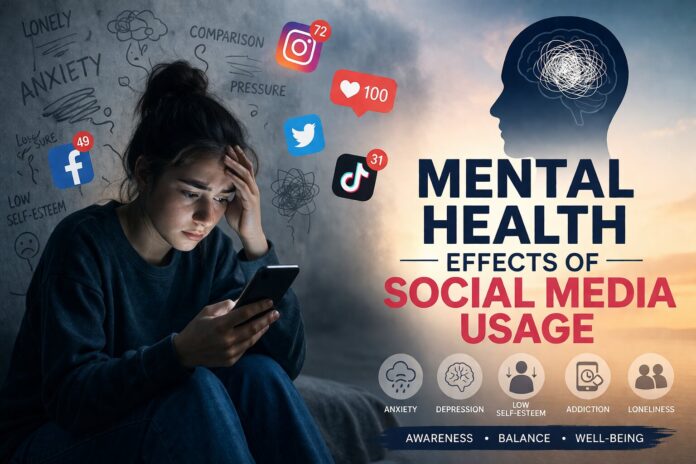
The mental health effects of social media usage have become one of the most widely discussed topics in recent years, especially as digital platforms continue to dominate everyday life. With billions of users engaging daily on platforms such as Instagram, TikTok, Facebook, and X (formerly Twitter), the relationship between mental health and online interaction is more relevant than ever. While social media offers opportunities for connection, learning, and self-expression, it also introduces risks that can significantly impact emotional well-being. Understanding the mental health effects of social media usage is essential for students, researchers, and individuals seeking to maintain a healthy balance between digital and real-life interactions.
The Rise of Social Media and Its Influence
Social media usage has grown exponentially over the past decade, transforming how people communicate and perceive the world. The constant availability of information and interaction has reshaped social behavior, making online presence a key part of identity. This rapid growth has amplified both positive and negative mental health effects of social media usage. On one hand, individuals can stay connected with loved ones and access support networks. On the other, excessive exposure can lead to stress, anxiety, and emotional fatigue, especially among young users who are more vulnerable to online influence. Students also read about How to write Assignment.
 Positive Mental Health Effects of Social Media Usage
Social Connectivity and Support
One of the most significant positive mental health effects of social media usage is enhanced connectivity. Social platforms allow individuals to maintain relationships across long distances, fostering a sense of belonging. Online communities also provide emotional support, particularly for people dealing with mental health challenges, disabilities, or social isolation. These digital spaces can create a safe environment where users share experiences and receive encouragement.
Access to Information and Awareness
Another beneficial aspect of social media usage is the widespread access to mental health resources and awareness campaigns. Many organizations and professionals use social media to educate users about mental health conditions, coping strategies, and self-care techniques. This increased awareness reduces stigma and encourages individuals to seek help when needed, contributing positively to overall mental well-being. This is where professional services like Essay Writing Assignments become invaluable.
Negative Mental Health Effects of Social Media Usage
Anxiety and Depression
Despite its benefits, the mental health effects of social media usage often include increased anxiety and depression. Continuous exposure to curated and idealized content can create unrealistic expectations, leading individuals to feel inadequate or dissatisfied with their own lives. This comparison culture can significantly impact self-esteem and contribute to depressive symptoms.
Addiction and Overuse
Social media platforms are designed to be engaging, sometimes leading to addictive behavior. The compulsive need to check notifications, scroll through feeds, or seek validation through likes and comments can disrupt daily routines. This overuse negatively affects sleep patterns, productivity, and mental clarity, reinforcing the adverse mental health effects of social media usage.
Cyberbullying and Online Harassment
Cyberbullying is another major concern associated with social media usage. Unlike traditional bullying, online harassment can occur at any time and reach a wider audience. Victims often experience severe emotional distress, including anxiety, depression, and even suicidal thoughts. This highlights one of the most dangerous mental health effects of social media usage in modern society.
Impact on Self-Esteem and Body Image
Unrealistic Beauty Standards
Social media platforms are filled with edited images and filtered content that portray unrealistic beauty standards. Constant exposure to such content can negatively influence body image and self-esteem, particularly among teenagers and young adults. Users may feel pressured to conform to these standards, leading to dissatisfaction with their appearance.
Validation and Self-Worth
The need for validation through likes, comments, and followers can shape how individuals perceive their self-worth. When social approval becomes a measure of value, it can lead to emotional dependency on online feedback. This reliance contributes to the negative mental health effects of social media usage by creating a cycle of insecurity and comparison.
Sleep Disruption and Mental Health
Excessive social media usage, especially before bedtime, can significantly affect sleep quality. The blue light emitted from screens interferes with the body’s natural sleep cycle, while engaging content keeps the mind active. Poor sleep is closely linked to mental health issues such as anxiety, depression, and irritability, further intensifying the mental health effects of social media usage.
Fear of Missing Out (FOMO)
Understanding FOMO
Fear of Missing Out (FOMO) is a psychological phenomenon driven by the constant exposure to others’ activities and achievements on social media. Users may feel that others are leading more exciting or fulfilling lives, leading to feelings of exclusion and dissatisfaction.
Emotional Consequences
FOMO can result in stress, anxiety, and a constant need to stay connected online. This behavior reinforces unhealthy usage patterns and contributes to the broader mental health effects of social media usage, particularly among young users who are more susceptible to peer influence.
Social Media and Loneliness
Ironically, despite increasing connectivity, social media usage can lead to feelings of loneliness. Superficial interactions may replace meaningful real-life relationships, leaving individuals emotionally unfulfilled. This paradox highlights how excessive reliance on digital communication can negatively impact mental health and social well-being.
Impact on Academic and Professional Life
The mental health effects of social media usage extend beyond personal well-being and can influence academic and professional performance. Constant distractions from notifications and content consumption can reduce focus, productivity, and time management. Students, in particular, may struggle to maintain concentration, leading to stress and academic challenges.
Coping Strategies for Healthy Social Media Usage
Setting Time Limits
One effective way to reduce the negative mental health effects of social media usage is by setting time limits. Monitoring screen time and establishing boundaries can help individuals maintain a healthier balance between online and offline activities.
Curating Content
Users can improve their experience by following accounts that promote positivity, education, and well-being. Avoiding harmful or triggering content can significantly reduce stress and anxiety associated with social media usage.
Practicing Digital Detox
Taking regular breaks from social media, known as digital detox, allows individuals to reconnect with real-life experiences. This practice can improve mental clarity, reduce stress, and enhance overall emotional health.
Role of Parents and Educators
Parents and educators play a crucial role in addressing the mental health effects of social media usage. By promoting awareness and guiding responsible usage, they can help young individuals develop healthy digital habits. Open communication and education about online risks are essential in preventing negative outcomes.
Future Implications and Research
As social media continues to evolve, understanding its long-term impact on mental health remains a priority for researchers. Emerging technologies such as artificial intelligence and virtual reality may further influence how individuals interact online. Continued research is necessary to develop strategies that maximize benefits while minimizing the mental health effects of social media usage.
Conclusion
The mental health effects of social media usage are complex and multifaceted, encompassing both positive and negative aspects. While social media provides valuable opportunities for connection, learning, and self-expression, excessive or unregulated use can lead to serious mental health challenges. By understanding these effects and adopting healthy usage practices, individuals can harness the benefits of social media while protecting their emotional well-being. For students and researchers, particularly those working on dissertations, this topic offers valuable insights into the intersection of technology and mental health, making it a highly relevant area of study in today’s digital age.


[…] Mental Health Effects of Social Media Usage […]